
Remote Monitoring and the Hospital at Home
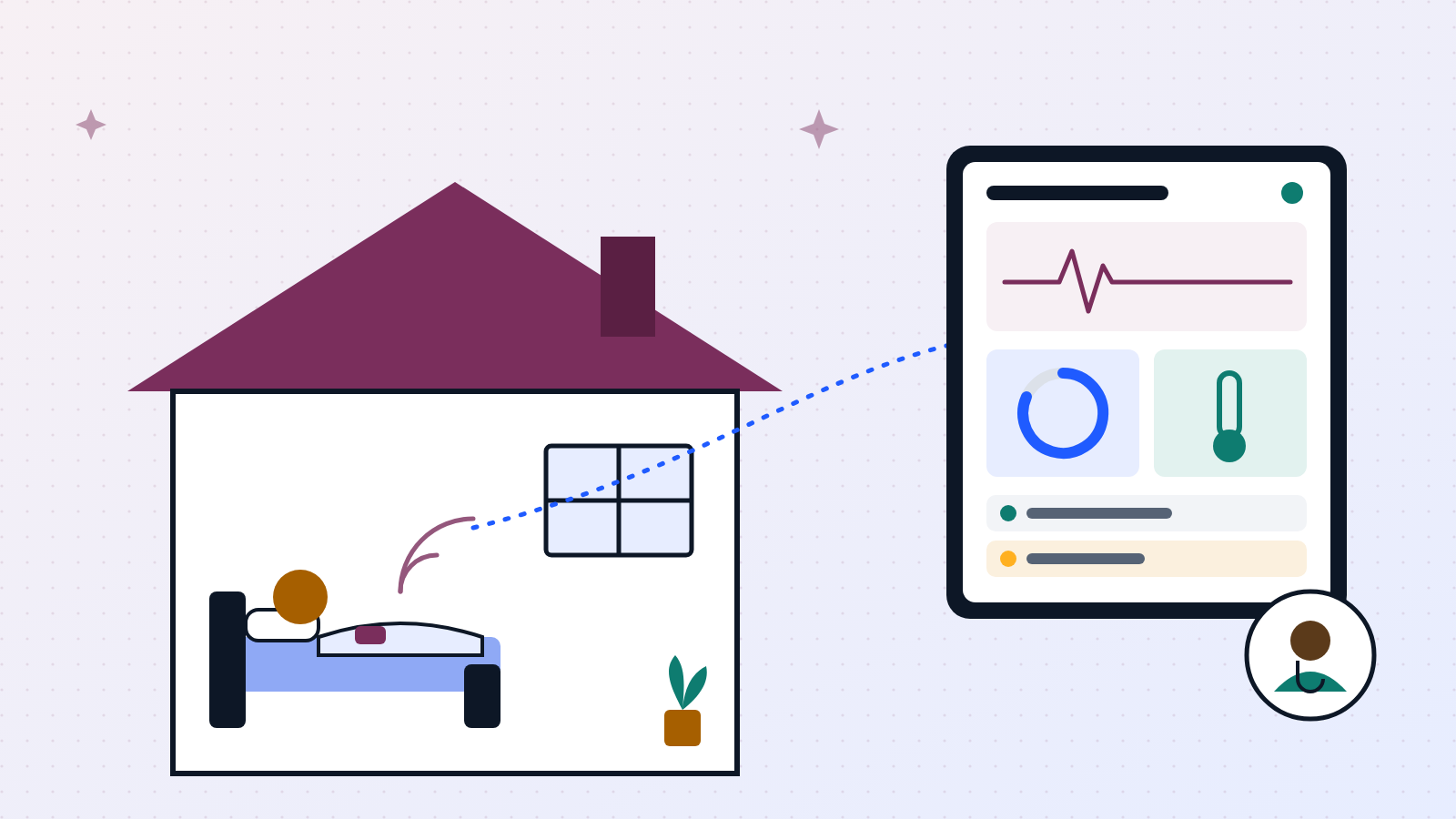
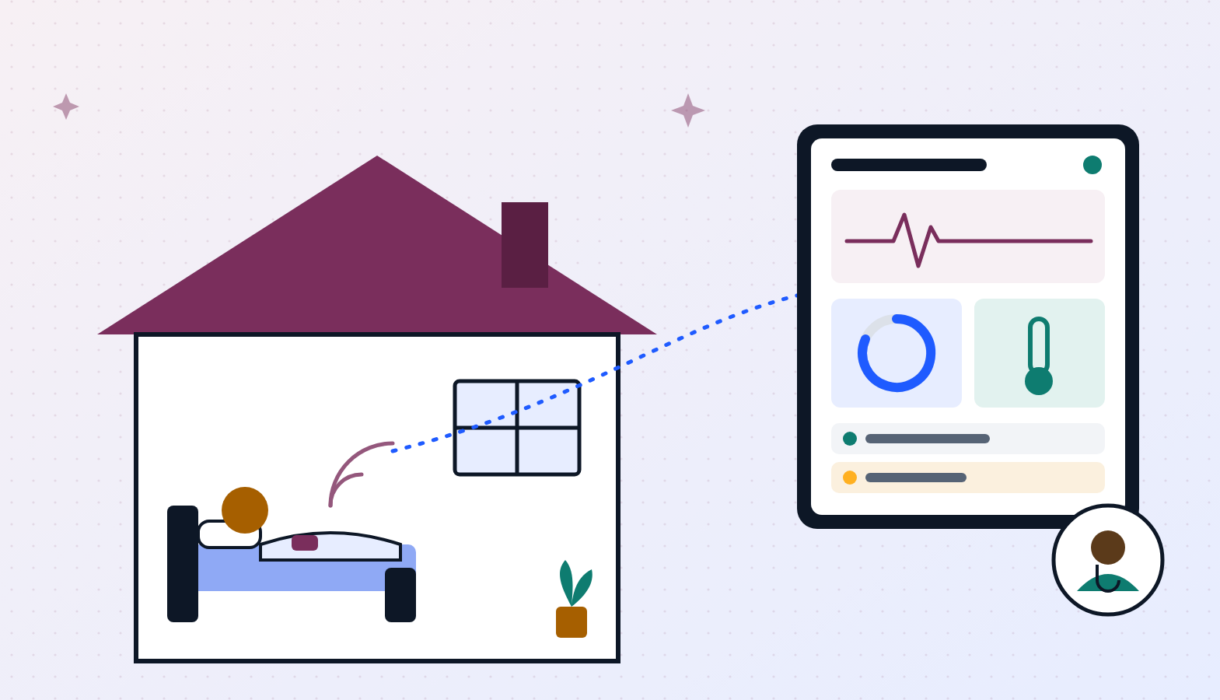
For some patients, the best hospital bed may be their own. "Hospital at home" programmes — called virtual wards in the UK — use wearable sensors, connected devices and visiting clinical teams to give hospital-level care in people's homes. Supporters say they free up beds, cut costs and help patients recover in familiar surroundings. Critics warn about pressure on families and uneven access. Here's how these models work, what the evidence shows and what it takes to do them well.
- Hospital at home combines remote monitoring with in-person visits to give hospital-level care at home.
- In a US randomised trial, home hospital care had 38% lower direct costs and fewer readmissions within 30 days (7% vs 23%).
- The US has extended its hospital-at-home programme to September 2030, and hundreds of programmes have been approved.
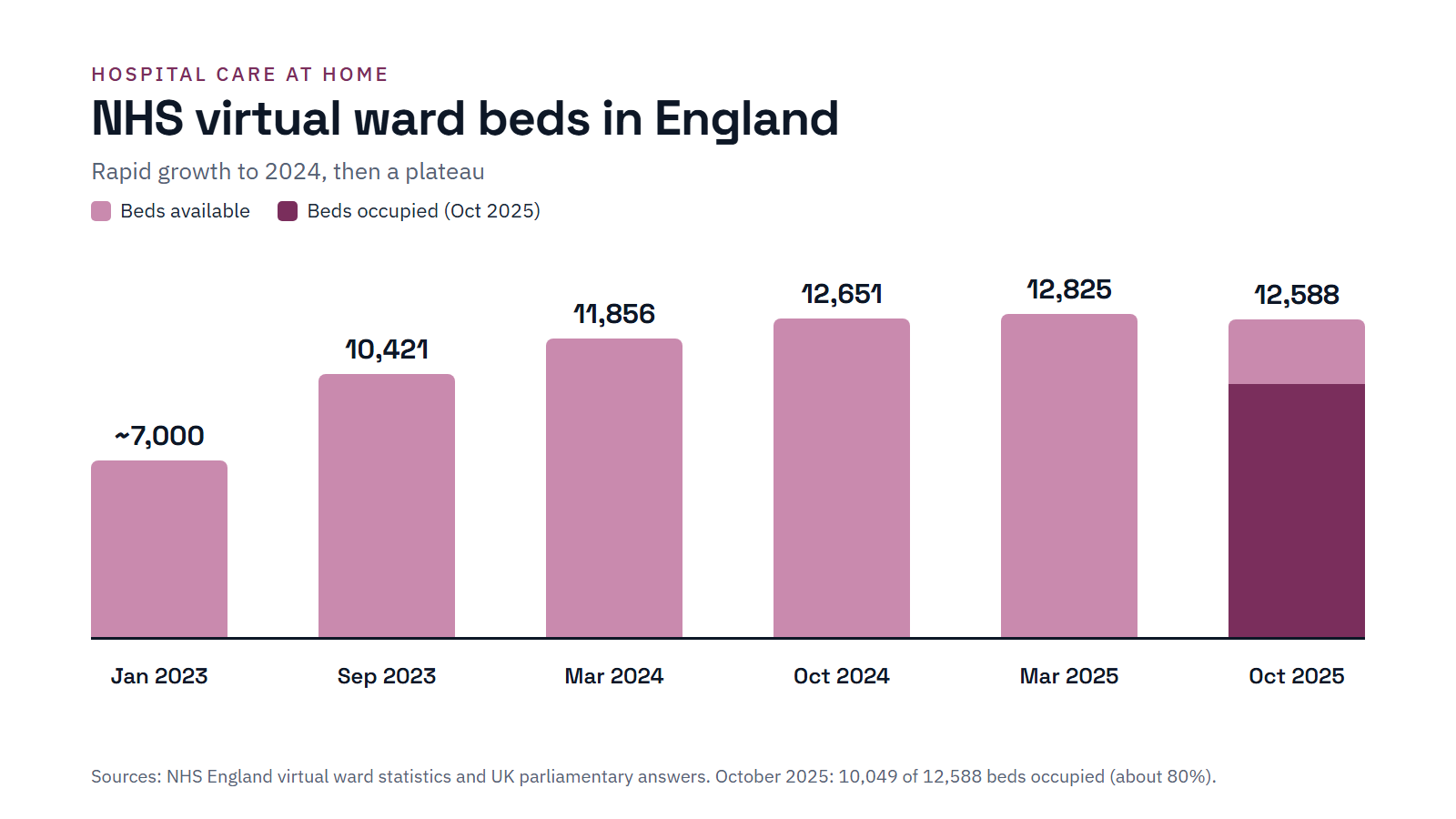
- England expanded virtual ward capacity from about 7,000 to roughly 12,600 beds, but growth has since levelled off.
- It suits some patients and conditions but not others. Careful selection, 24/7 clinical cover and support for carers are essential.
What "hospital at home" means
Hospital at home is not the same as a doctor's video call or a fitness tracker. It means patients who would otherwise be admitted to hospital receive the same level of care — diagnosis, treatment and monitoring — in their own homes, under the responsibility of a hospital team.
Hospital at home / virtual ward: acute, hospital-level care at home for a short period. Remote patient monitoring: longer-term tracking of conditions such as heart failure or diabetes. Step-up care avoids an admission; step-down care lets patients leave hospital earlier.
How it works
Programmes vary, but most combine four elements:
Careful selection
Clinicians check that the patient is stable enough, that home care is safe, and that the patient and family agree.
Monitoring kit
Wearable sensors, pulse oximeters, blood-pressure cuffs and a tablet send readings to the clinical team throughout the day.
A clinical team on call
Nurses and doctors combine home visits with video calls, and are available around the clock if readings or symptoms change.
Treatment at home
Intravenous antibiotics, oxygen, fluids, blood tests and some scans can be delivered at home, with a quick route back to hospital if needed.
What the evidence shows
A randomised trial at Brigham and Women's Hospital in Boston compared home hospital care with usual hospital admission for 91 adults with conditions such as infections, heart failure and COPD. The home group had 38% lower direct costs and was readmitted less often within 30 days — 7% versus 23% [1]. The trial was small and run at academic hospitals, so results may not apply everywhere.
38%
lower direct costs for home hospital care in a US randomised trial [1]
7% vs 23%
30-day readmissions, home versus hospital [1]
~80%
of England's 12,588 virtual ward beds occupied in October 2025 [4]
Wider reviews of hospital-at-home schemes for avoiding admissions have generally found outcomes such as mortality to be similar to hospital care, with high patient satisfaction, though the quality of evidence varies [2].
The question isn't whether home beats hospital for everyone. It's which patients, with which conditions, do better at home.
Scaling up
In the United States, the Centers for Medicare & Medicaid Services launched its Acute Hospital Care at Home programme in 2020. In February 2026, Congress extended it to 30 September 2030. By March 2026, the American Medical Association counted 366 approved programmes across 139 health systems in 37 states, though not all are fully operational [3].
England's NHS expanded virtual wards rapidly, from around 7,000 beds at the start of 2023 to about 12,600 by late 2024. Growth has since levelled off: in October 2025 there were 12,588 beds, with around 80% occupied, and the earlier target of 40–50 beds per 100,000 people has been turned into a longer-term ambition [4].
Who it suits — and who it doesn't
- Flare-ups of COPD or heart failure
- Infections such as cellulitis, urinary tract infections or some pneumonias
- Frail older people who may become confused or lose mobility in hospital
- Patients ready to leave hospital early with monitoring
- Patients who are unstable or may need intensive care
- People needing frequent complex procedures or surgery
- Homes where care can't be delivered safely
- Patients without the support they need at home
The challenges
- Pressure on families. Relatives may take on caring tasks without training or recognition.
- Digital access. Patients without reliable internet, or who struggle with devices, may be excluded.
- Staffing. Home visits and 24/7 cover need nurses and doctors who are already in short supply.
- Too many alerts. Constant data streams can overwhelm teams unless alerts are well designed.
- Funding. Payment systems built around hospital beds don't always cover care delivered at home.
What makes it work
- Clear criteria for which patients are admitted and when they return to hospital.
- Round-the-clock response, with a named clinician responsible for each patient.
- Simple, reliable kit that patients can use without frustration.
- Support for carers, including training and someone to call.
- Measuring outcomes — readmissions, patient experience and costs — not just beds filled.
What to watch next
- Long-term US funding now that the programme runs to 2030.
- AI-assisted monitoring that flags deterioration earlier with fewer false alarms.
- Larger, independent studies comparing outcomes across different patient groups.
- Virtual wards in the NHS — whether capacity grows again or settles at current levels.
- Equity — whether home-based care reaches people in poorer and rural areas.
Sources
Every figure in this article comes from the sources below.
- Levine, D. M. et al. (2020). "Hospital-Level Care at Home for Acutely Ill Adults: A Randomized Controlled Trial." Annals of Internal Medicine 172(2), 77–85.
- Cochrane systematic reviews of admission avoidance and early discharge hospital at home.
- Centers for Medicare & Medicaid Services, Acute Hospital Care at Home programme; Consolidated Appropriations Act, 2026 (Section 6210); American Medical Association (March 2026).
- NHS England, Virtual Ward statistics; UK parliamentary written answers (2024–2025).